
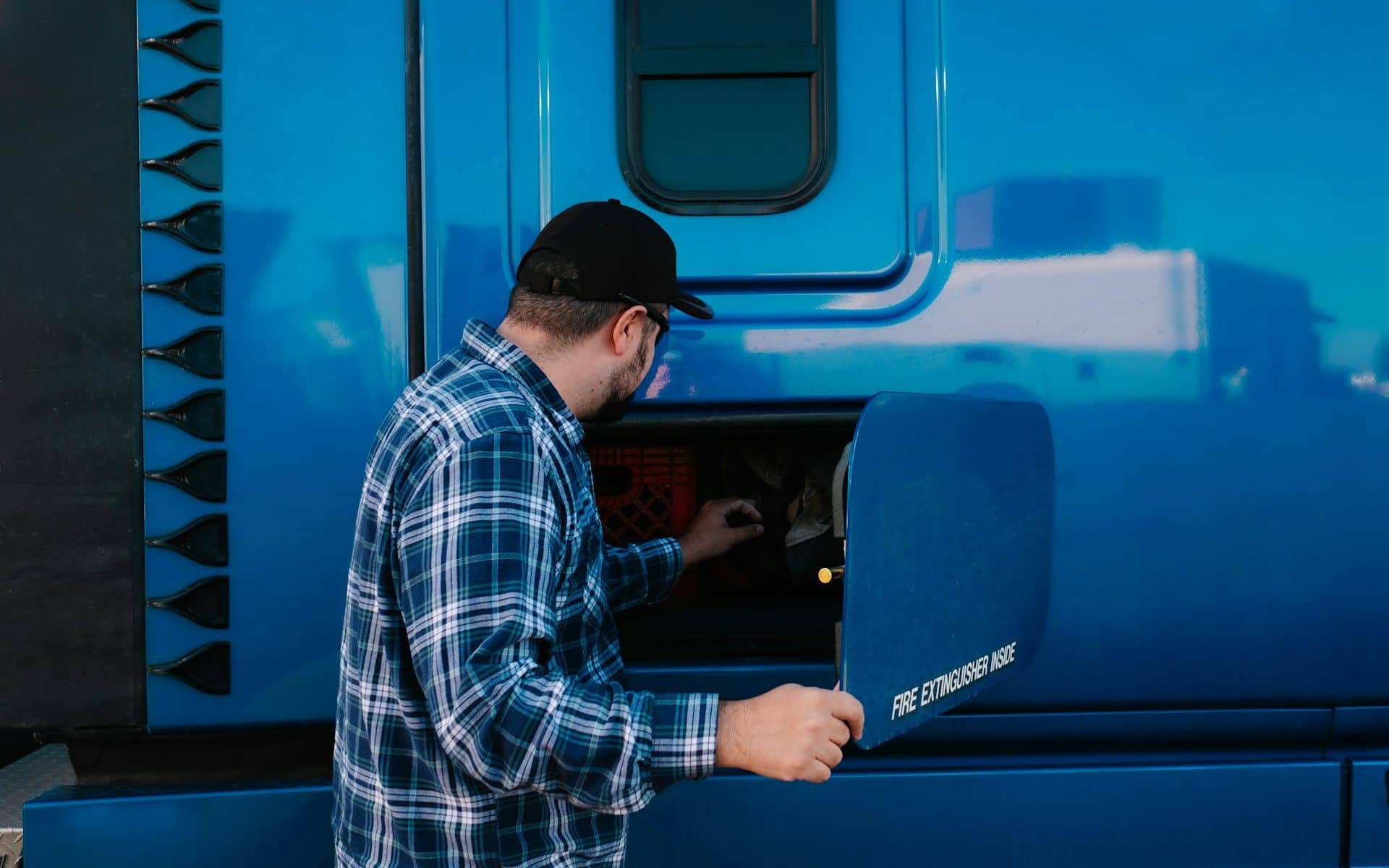
Getting ready for a CDL in Las Vegas means more than just knowing how to steer a truck. One of the biggest learning blocks for many students is memorizing the pre trip inspection. Not because they don’t care, but because trying to remember every single part during the test can feel like too much at once. Add a hot afternoon or a loud lot into the mix, and it becomes easy to lose focus.
We know this part of the test can shake confidence, especially in early spring when the weather starts to shift and testing days fill up fast. That’s why simple memory tools, a clear approach, and the right environment matter more than students expect. When it all lines up, the inspection process not only makes sense but starts to feel automatic.
Why Pre Trip Inspections Seem Hard to Remember
Trying to memorize the full inspection list can feel like reading a phone book. It’s a lot for the brain to hold onto, especially when parts don’t feel connected.
- Many students approach it like a script. They try to repeat every step without learning how pieces work together. That makes it tough to recall when they’re under pressure.
- Information overload is real. Going from zero to listing dozens of parts quickly turns into a blur.
- Some feel nervous during practice, especially with others watching. That pressure makes even simple pieces slip away at the worst moments.
It’s not about intelligence. It’s about how the brain handles stress. When students shift focus from memorizing to understanding groupings, they unlock better recall and feel more relaxed in the yard or test lot.
Using Breakdowns and Sections to Keep Things Clear
Organizing the inspection into smaller parts does a lot of good. It cuts down confusion and makes the process more predictable.
- Think about the inspection in big chunks. Start at the front of the truck, then move to the engine, then the driver’s side, then the back, and so on. These steps flow in the same way every time.
- Group parts with similar functions. For example, think of everything connected to stopping (like brake hoses, chambers, and drums). Or focus on things that help you see (like mirrors, windows, and lights).
- Try visual learning. Placing hands on the item while naming it connects memory and motion. Some students learn better when practicing with a partner. Teaching a classmate or calling out steps makes it easier to store everything as muscle memory.
The goal isn’t perfect memory, it’s being able to say what you know calmly and clearly, even when someone’s standing there with a clipboard.
Seasonal Focus for Las Vegas in Early March
Each season brings distractions. Right now, early March is kind of a transition month. Days start a little cool, but the sun heats things up fast. Those conditions can sneak into test performance.
- Cold mornings mean people rush through checks to warm up inside the cab. That’s when important details get skipped, like properly feeling your tires or seeing if any hoses are brittle.
- Light changes quickly right now. Training in the shade in the morning and under direct sun in the afternoon can mess with visibility. Shadows change where leaks or wear-and-tear may or may not show.
- In dry weather, dust settles on equipment. If you’re not paying attention, it’s easy to miss cracks, loose fittings, or signs of rubbing.
Practicing a full inspection in different light and temperature conditions feels like extra work, but it prepares you to spot the same parts no matter what’s happening around you.
Common Memory Aids That Actually Work
Straight memorization isn’t always the most helpful. Quick tricks and smart habits can bring better results.
- Use acronyms to remember small checklists. For example, “ABC” for tires (abrasions, bulges, cuts) or “LCL” for hoses (leaks, cracks, loose). These three-letter combos help jog memory in a pinch.
- Make checklists in your own words. If something sounds strange to say out loud, change it. Stick with phrases you’d actually use in your daily life. You’re more likely to remember what feels normal.
- Practice speaking your inspection out loud. It might feel strange at first, but vocal repetition helps you develop a flow. Many students find that walking through the same steps with real sounds and motion locks the steps in stronger than studying in silence.
Memory works best when it’s your own. Creating your way of thinking about the test pulls the information out faster, and with less effort.
Test Stress and How to Practice Without Tension
Solid practice can go sideways if it’s always rushed or full of pressure. When we ease off a little and focus on shorter, smarter sessions, things stick better.
- Stay consistent, but don’t overdo it. Practicing every day for 15 to 20 minutes helps more than cramming for hours once a week.
- Mix up your locations. Practicing the inspection in different environments around Las Vegas sets your brain up to perform well when the space changes. It trains you to notice the parts, not just the surroundings.
- Build calm into your routine. Some students find that doing a simple full-body movement (like rolling your shoulders or taking a deep breath) before starting helps bring down nerves. Small actions like this give you time to think instead of rushing.
When your memory doesn’t feel like a guessing game, it frees up space to focus on what’s happening around you. That’s a quiet kind of confidence students start to feel after enough low-pressure practice.
Strong Recall Builds Safer Habits Long-Term
The pre trip inspection isn’t just a test, it’s a future habit. Once students grab hold of the process in the right way, they carry it forward through every shift, job site, and stop for years to come.
- Learning the inspection in parts, not as one huge list, sets you up with a reliable flow. That order becomes second nature.
- Breaking it down keeps things simpler out on the road, where distractions and time pressure show up every day.
- A solid memory of this process makes early spring a great time to practice. You’ve got manageable weather, longer daylight coming, and enough variation in conditions to test your own attention.
RTDS Trucking School incorporates repetitive hands-on pre trip inspection training in its CDL programs so every student has a chance to build a reliable routine that sticks.
When students train this memory into a regular motion, everything else becomes smoother. CDL in Las Vegas is a big goal, but with strong recall, students are already halfway there.
Ready to turn memorization into real confidence behind the wheel? At RTDS Trucking School, we help students step by step to build strong habits and handle inspections with steady focus. Preparing for your CDL in Las Vegas means more than just passing the test, it’s about feeling prepared every time you approach the truck. Let’s start a program together that sets you up for success. Call us today and we’ll guide you through your next steps.