
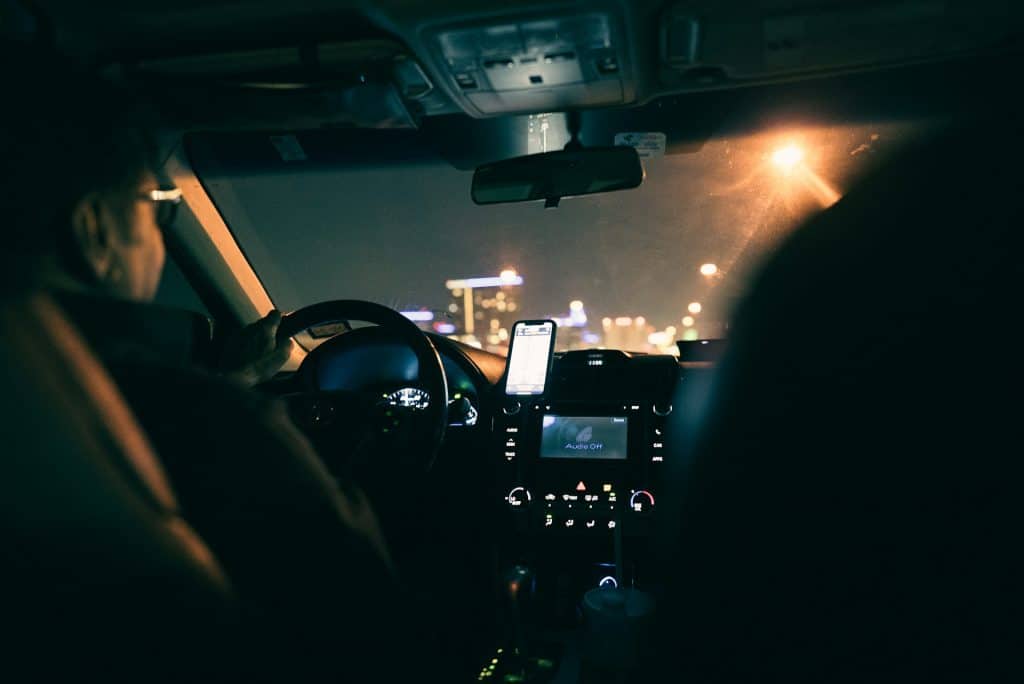
Driving a truck at night brings a different kind of focus compared to daytime shifts, especially when you’re still learning the ropes. In Las Vegas, it’s not just the bright city lights that can distract you. Empty desert roads, sharp highway curves, and quiet back routes create their own types of pressure. Getting your CDL in Las Vegas means being ready for both kinds of driving, and night runs demand extra attention to detail. Low light and quiet conditions can fool new drivers into mistakes if they’re not prepared. This matters whether you’re heading into the city late or rolling across long stretches of highway in the early hours. Let’s talk through what changes after sunset and how to stay safe, alert, and in control.
Adjusting to Low Visibility Conditions
The first thing that changes after dark is how far you can see. Headlights give you a clearer path directly ahead, but shadows grow quickly around you and roadside movement gets harder to notice until it’s right in front of you.
• Clean all exterior lights before you begin your night run. Dirty headlights or fogged lenses can cut down your visibility fast.
• Check every light on your vehicle before getting on the road, including turn signals, brake lights, and trailer lights.
• Mirrors reflect light differently at night, so watch for glare, but don’t stop checking them regularly. Look further into them to catch faint movement quicker.
• Spring weather around Las Vegas can create morning fog or chilled air, so keep your low beams on when visibility drops. High beams only help in open areas without streetlights or oncoming traffic.
The goal is to give yourself as much reaction time as possible. Stay off the bumper ahead of you and never trust that other drivers see you as clearly as you see them.
RTDS Trucking School uses both manual and automatic transmission trucks in our CDL training so drivers practice how nighttime visibility affects every type of vehicle and headlight system.
Staying Alert When Roads Are Quiet
Once the roads clear out, it’s easier to let your mind wander. That’s when fatigue can creep in and turn simple decisions into risky ones.
• If your eyelids get heavy or you can’t remember the last road sign, it’s time to stop for a real break.
• Early warning signs of tiredness include frequent yawns, slower reaction to noises or movement, and needing to adjust the seat or radio often just to stay alert.
• At night, small sounds and digital glare feel stronger. Keep your phone face down, dim your dash, and lower your radio volume instead of blasting it to stay awake.
• Try to schedule short, controlled stops during longer night drives. Even a five-minute walk at a rest stop can push tiredness back.
New drivers often don’t realize how different night mental focus feels, especially after a full day of training or prep. Listen to your own pace. Don’t chase a schedule if your body is telling you it’s had enough.
Our instructors guide students through real-world night routes as part of the CDL program, building practice routines that prevent late-night fatigue and help students recognize the early signs of tiredness.
Dealing With Other Drivers After Dark
Las Vegas highways can get strange after daylight ends. The energy on the road changes, and it often feels faster, even with less traffic. You’ll share lanes with a mix of late haulers, local drivers, and people in a hurry to cut through the Strip or the outer loops.
• Stay focused when dealing with high beams in your mirrors. Flip your rearview to night mode and avoid staring into oncoming light.
• If someone is tailgating, do not speed up. Keep your pace, watch your space, and look for a safe area to let them pass.
• I-15 and the 215 Beltway clear out in some spots but get crowded just before ramps or exits. Use extra space when merging or making wide turns in low light.
Traffic speed tends to feel unpredictable at night. When in doubt, give yourself more room than you think you need. Being steady helps other drivers adjust around you too.
Planning Overnight Parking and Rest Spots
Finding a safe place to rest or park isn’t just about comfort. Where and how you stop plays a real part in staying safe.
• Only pull into stops that are well-lit and not overly packed. Dim areas between trailers or near fences can hide blind spots and people.
• Backing in at night requires more mirror checks than you might expect. Don’t trust small shadows or odd reflections. Take your time.
• If you’re staying overnight, always lock your doors, put away valuables, and use window shades to block outside view.
• Stick to rest spots you know, or truck stops recommended by other drivers familiar with the area near Las Vegas.
Staying in the cab for a while doesn’t mean letting your guard down. A little awareness helps make every stop smoother.
Reading Las Vegas Roads Differently After Sunset
Something familiar can feel suddenly off at night. Whether it’s a road you’ve taken dozens of times or a route through backroads near Henderson or Summerlin, lighting changes shift how you read the drive.
• Street signs blend into lights behind them. Watch your GPS but double-check mirrors and milestones to stay aimed where you want to be.
• The Las Vegas Strip is bright enough to mask crosswalks, signs, and light signals. Watch how other vehicles move to get clues about what’s coming up.
• Quiet stretches just outside the city can be especially dark. Make sure your panel lights and dash brightness match your comfort level without causing glare.
Getting a CDL in Las Vegas means dealing with both extremes. You’ll drive past flashy signs in the city, then cruise into long, dim desert stretches where turns and signs come quick and disappear even quicker. That’s where practice and focus really matter.
RTDS Trucking School CDL programs give students first-hand experience with local night driving, teaching the shift in habits needed for Las Vegas after dark.
Start Strong and Stay Steady Through the Night
Driving at night isn’t something that clicks all at once. It takes patience, awareness, and time behind the wheel to feel steady when it’s quiet and dark. But good habits can smooth out the learning curve.
Focus on what you can control: your rest, your space, and your line of sight. Each time you drive after sunset, you learn a little more about how your body reacts, how your mirrors reflect, and how different Las Vegas roads feel compared to daytime hours. Keep the rhythm, stay alert, and adjust as needed. You’ll get more confident with every mile.
Driving through real night conditions is one part of becoming a confident driver, and it starts with knowing exactly what to expect on the road. Whether you’re driving freeway ramps, dim rest stops, or wide turns under stadium lights, the right training helps you prepare for anything nighttime trucking brings. There’s more to night driving than just staying awake, so practicing smooth habits early on pays off. When you’re ready to get serious about your CDL in Las Vegas, reach out to RTDS Trucking School and let’s talk through your next step.