The Easiest Way to Remember Pre Trip Inspections for CDL

CDL pre trip check

Getting ready for a CDL in Las Vegas means more than just knowing how to steer a truck. One of the biggest learning blocks for many students is memorizing the pre trip inspection. Not because they don’t care, but because trying to remember every single part during the test can feel like too much at once. Add a hot afternoon or a loud lot into the mix, and it becomes easy to lose focus.

We know this part of the test can shake confidence, especially in early spring when the weather starts to shift and testing days fill up fast. That’s why simple memory tools, a clear approach, and the right environment matter more than students expect. When it all lines up, the inspection process not only makes sense but starts to feel automatic.

Why Pre Trip Inspections Seem Hard to Remember

Trying to memorize the full inspection list can feel like reading a phone book. It’s a lot for the brain to hold onto, especially when parts don’t feel connected.

  • Many students approach it like a script. They try to repeat every step without learning how pieces work together. That makes it tough to recall when they’re under pressure.
  • Information overload is real. Going from zero to listing dozens of parts quickly turns into a blur.
  • Some feel nervous during practice, especially with others watching. That pressure makes even simple pieces slip away at the worst moments.

It’s not about intelligence. It’s about how the brain handles stress. When students shift focus from memorizing to understanding groupings, they unlock better recall and feel more relaxed in the yard or test lot.

Using Breakdowns and Sections to Keep Things Clear

Organizing the inspection into smaller parts does a lot of good. It cuts down confusion and makes the process more predictable.

  • Think about the inspection in big chunks. Start at the front of the truck, then move to the engine, then the driver’s side, then the back, and so on. These steps flow in the same way every time.
  • Group parts with similar functions. For example, think of everything connected to stopping (like brake hoses, chambers, and drums). Or focus on things that help you see (like mirrors, windows, and lights).
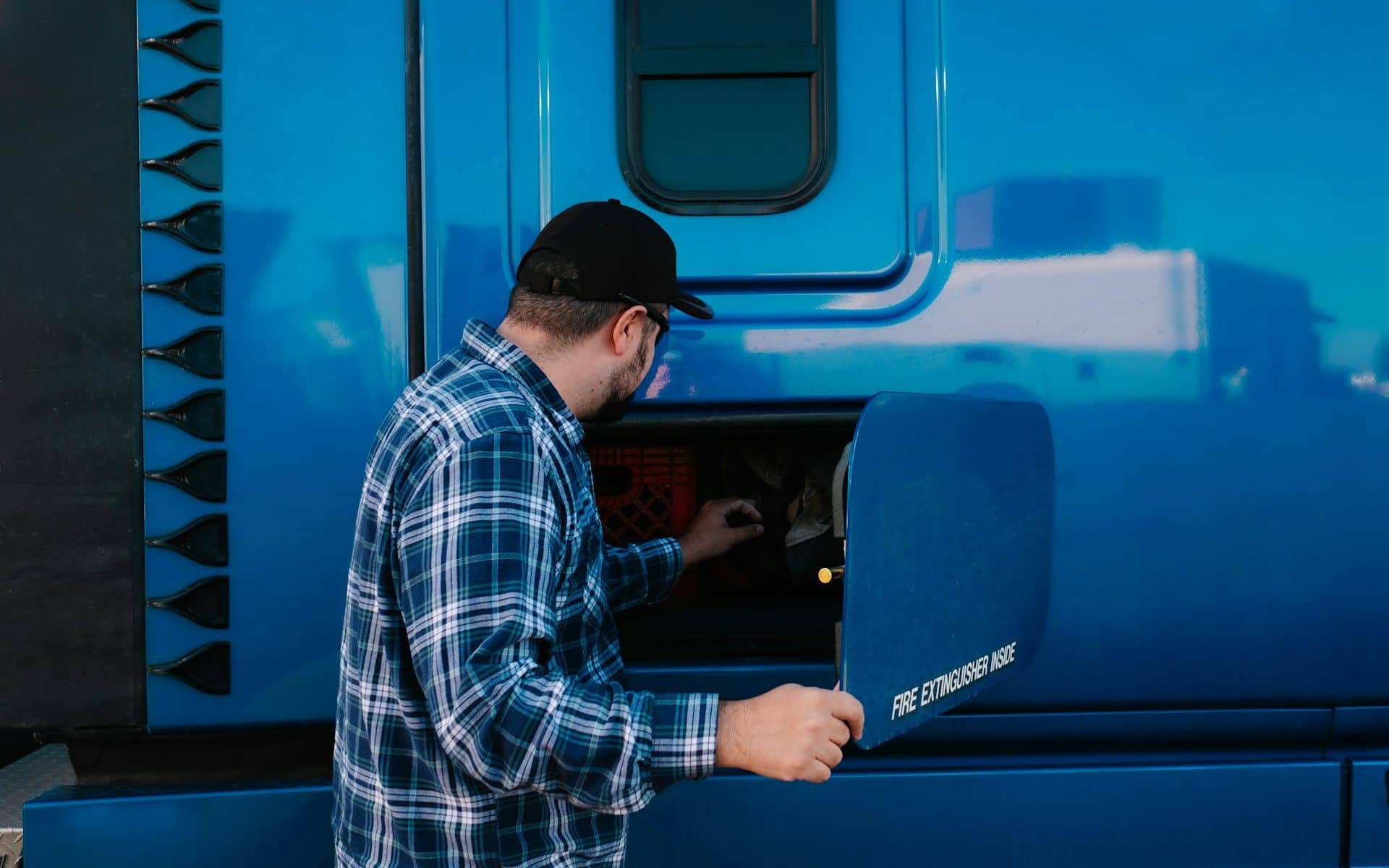
  • Try visual learning. Placing hands on the item while naming it connects memory and motion. Some students learn better when practicing with a partner. Teaching a classmate or calling out steps makes it easier to store everything as muscle memory.

The goal isn’t perfect memory, it’s being able to say what you know calmly and clearly, even when someone’s standing there with a clipboard.

Seasonal Focus for Las Vegas in Early March

Each season brings distractions. Right now, early March is kind of a transition month. Days start a little cool, but the sun heats things up fast. Those conditions can sneak into test performance.

  • Cold mornings mean people rush through checks to warm up inside the cab. That’s when important details get skipped, like properly feeling your tires or seeing if any hoses are brittle.
  • Light changes quickly right now. Training in the shade in the morning and under direct sun in the afternoon can mess with visibility. Shadows change where leaks or wear-and-tear may or may not show.
  • In dry weather, dust settles on equipment. If you’re not paying attention, it’s easy to miss cracks, loose fittings, or signs of rubbing.

Practicing a full inspection in different light and temperature conditions feels like extra work, but it prepares you to spot the same parts no matter what’s happening around you.

Common Memory Aids That Actually Work

Straight memorization isn’t always the most helpful. Quick tricks and smart habits can bring better results.

  • Use acronyms to remember small checklists. For example, “ABC” for tires (abrasions, bulges, cuts) or “LCL” for hoses (leaks, cracks, loose). These three-letter combos help jog memory in a pinch.
  • Make checklists in your own words. If something sounds strange to say out loud, change it. Stick with phrases you’d actually use in your daily life. You’re more likely to remember what feels normal.
  • Practice speaking your inspection out loud. It might feel strange at first, but vocal repetition helps you develop a flow. Many students find that walking through the same steps with real sounds and motion locks the steps in stronger than studying in silence.

Memory works best when it’s your own. Creating your way of thinking about the test pulls the information out faster, and with less effort.

Test Stress and How to Practice Without Tension

Solid practice can go sideways if it’s always rushed or full of pressure. When we ease off a little and focus on shorter, smarter sessions, things stick better.

  • Stay consistent, but don’t overdo it. Practicing every day for 15 to 20 minutes helps more than cramming for hours once a week.
  • Mix up your locations. Practicing the inspection in different environments around Las Vegas sets your brain up to perform well when the space changes. It trains you to notice the parts, not just the surroundings.
  • Build calm into your routine. Some students find that doing a simple full-body movement (like rolling your shoulders or taking a deep breath) before starting helps bring down nerves. Small actions like this give you time to think instead of rushing.

When your memory doesn’t feel like a guessing game, it frees up space to focus on what’s happening around you. That’s a quiet kind of confidence students start to feel after enough low-pressure practice.

Strong Recall Builds Safer Habits Long-Term

The pre trip inspection isn’t just a test, it’s a future habit. Once students grab hold of the process in the right way, they carry it forward through every shift, job site, and stop for years to come.

  • Learning the inspection in parts, not as one huge list, sets you up with a reliable flow. That order becomes second nature.
  • Breaking it down keeps things simpler out on the road, where distractions and time pressure show up every day.
  • A solid memory of this process makes early spring a great time to practice. You’ve got manageable weather, longer daylight coming, and enough variation in conditions to test your own attention.

RTDS Trucking School incorporates repetitive hands-on pre trip inspection training in its CDL programs so every student has a chance to build a reliable routine that sticks.

When students train this memory into a regular motion, everything else becomes smoother. CDL in Las Vegas is a big goal, but with strong recall, students are already halfway there.

Ready to turn memorization into real confidence behind the wheel? At RTDS Trucking School, we help students step by step to build strong habits and handle inspections with steady focus. Preparing for your CDL in Las Vegas means more than just passing the test, it’s about feeling prepared every time you approach the truck. Let’s start a program together that sets you up for success. Call us today and we’ll guide you through your next steps.

Why Some CDL Students in Las Vegas Struggle With Backing Skills

Backing Skills

When students begin working on their CDL in Las Vegas, almost everyone expects to face some challenges, but few realize just how tricky backing maneuvers can be. Reversing a large truck takes close attention to space, timing, and precision. It’s not just about turning the wheel the right way, it’s about knowing how much to turn, when to stop, and how to read your surroundings. All of that becomes harder when you’re in a pressure-filled test lot or busy practice yard, especially with other students looking on.

Las Vegas adds its own level of difficulty. With tight city layouts, narrow yards, and hot pavement glare, backing here doesn’t feel like it does in a wide-open parking lot. That’s why so many learners get stuck on this one part. We’re breaking down some of the reasons students feel stuck and how to move through backing practice with more control and fewer surprises.

Mindset Issues That Affect Backing Confidence

Backing a truck isn’t just about mirrors and math. For a lot of students, fear and frustration make it worse. You don’t learn well when you’re tense, and backing often brings that out.

• Worrying too much about passing the test can lead to shaky hands or second guessing. That fear can show up in small ways, like turning the wheel too fast or getting stuck mid-move.

• Some students rush through backing to “get it over with,” which keeps the habit from really sticking. Skipping important steps now creates bad habits that show up later during real yard work or tests.

• Others feel the pressure to perform in front of instructors or classmates, which sometimes leads to overcorrecting or trying to speed through a setup.

Backing takes a calm mind and repetition. When those get blocked by fear or frustration, students struggle to build the solid patterns they need.

Local Driving Challenges Unique to Las Vegas

Learning to back in Las Vegas adds a few more challenges. The surroundings, traffic, and sunlight can all stack up fast. What might be manageable in other places becomes a little more demanding here.

• Distribution yards around the city are often active and crowded, especially close to major routes and highways. Trying to back into a dock space while delivery trucks are on the move takes extra focus.

• Midday sun makes things harder too. Dry Nevada air doesn’t give you much break, and the heat bouncing off the pavement can mess with mirror clarity and how well you see angles.

• Some practice takes place near roads where traffic is still flowing. Backing into tight driveways or narrow lots with cars rolling by can rattle focus and slow down progress.

We’ve learned that students earn better results when they’re prepared for limits like these ahead of time. RTDS Trucking School provides practice yards with both standard and more challenging backing spaces to help students adapt to local Las Vegas scenarios, as mentioned in our truck driving program details.

Learning to Read Mirrors and Space Correctly

Backing is mostly about what you can see and how well you judge distance. But in the beginning, many students don’t fully trust what the mirrors show.

• It takes practice to believe what you’re seeing and understand how slight turns affect trailer movement. Early on, students either stare too hard at one mirror or skip side checks altogether.

• Small errors during straight backing or offsets become big problems by the end of the move. If correction takes too long, students run out of space or miss the final line.

• One common mistake is overcorrecting too late. That usually comes from not knowing what part of the trailer to focus on or forgetting that the trailer moves opposite of the cab.

Backing well requires mirror habits that become automatic. Until those settle in, students will often feel slow and unsure of each step.

Weather and Timing Considerations During Training

February and early March bring some odd weather habits to Las Vegas. It’s not winter in the way other states experience it, but there are still things that affect how well backing training goes at this time.

• Cold mornings might not seem like a challenge, but dew on mirrors or windshields cuts visibility. Until everything dries up, reading mirror angles becomes tougher.

• Daylight slips away early in late winter. Many students end up practicing during or after sunset when shadows change how distances look.

• Night sessions bring their own layer of trouble. It’s harder to judge trailer position or wheel alignment under artificial lights, especially in yards with limited visibility.

During this time of year, students should be ready to adjust their expectations. Getting through backing practice might take longer, often just because there’s less visual help in the environment. RTDS Trucking School encourages practice in various real-world conditions, so students build skills needed for all times of day and weather, as shared in our classroom and yard instruction details.

Tips to Avoid Common Mistakes During CDL Backing Practice

Over time, we’ve picked up a few strategies that help students avoid backing mistakes, even when conditions get tough.

• Slow down when things feel off. It’s better to take a pause and reset your truck than try to fix a move while still rolling.

• Stick to a few trusted reference points. Looking at your trailer wheels, watching mirror angles consistently, and lining up with cones can reduce second guessing.

• Always check both sides before any turn or correction. Backing should never be a single-mirror move. Relying on only one view shortens your awareness.

Small habits like these make a big difference in long-term comfort. The goal is to build confidence piece by piece without rushing it.

Moving Forward with More Clarity and Control

It’s no surprise that backing trips up new drivers. It asks for attention, patience, and real focus. But we’ve seen how students who stick with good habits start to trust their moves, even ones that used to throw them off.

Backing begins to click when learners stop rushing and start understanding how space and mirrors work together. Those early mistakes turn into learning points, not roadblocks.

Anyone working toward a CDL in Las Vegas will face moments where the pavement glare or evening shadows make backing harder than expected. But with the right pace and awareness, those challenges become part of what turns cautious students into calm, capable drivers.

Ready to strengthen your driving skills and achieve your goals behind the wheel in Las Vegas? At RTDS Trucking School, we support students with real-world training that prepares them for test day and life on the road. Learn what hands-on instruction involves by reviewing our programs for earning your CDL in Las Vegas, and contact us when you want to talk more about getting started.

How Las Vegas Weather Can Affect Your CDL Training Schedule

CDL Training

When you’re working on getting your CDL in Las Vegas, weather probably isn’t the first thing you think about affecting your schedule. But local conditions can play a bigger role than most new drivers expect, especially during those late winter and early spring weeks.

Out here, we’re dealing with more than just city traffic. Chilly mornings, sudden wind gusts, and temperature flips through the day can shift how lessons are planned and when they happen. We’ve learned to build flexibility into our training routines, because weather has a way of changing the flow quick. Let’s look at how it all plays out during the season.

How Winter Weather in Las Vegas Affects Practice Drive Timing

Late winter in Las Vegas might not bring snow, but it still delivers its own kind of challenge. The mornings in February can start off cold, and that slows a few things down.

• When temperatures dip, it takes longer for trucks to warm up and be ready for the road. That sometimes leads to later starts for practice drives.

• Chilly air can also be distracting when you’re focused on learning. If your hands are numb or your eyes are watering from the wind, it’s harder to keep your mind on the lesson.

• The switch from cold mornings to warmer afternoons can catch some students off guard. That kind of swing doesn’t just affect comfort, it can wear on your focus too.

• Out on the open desert roads that stretch outside Las Vegas, wind becomes another curveball. Gusts can push against trailers, making it more difficult for beginners to manage lane position and steering.

We adjust lesson plans around these weather quirks, but it takes patience and awareness from everyone involved. At RTDS Trucking School, we know the impact late winter has on lesson timing and keep our truck fleet well-maintained for colder starts or longer warm-up periods, which helps every student focus on safe driving first.

Scheduling Around Windy Days and Low Visibility

Las Vegas is known for its dry desert air, but that also means strong winds don’t just blow through quietly. They bring dust with them, and that dust makes it harder to see once it’s kicked up on long stretches of highway.

• On especially windy days, blowing sand or low visibility from dust clouds can make practice driving risky.

• Instructors often shift outdoor lessons to earlier or later in the day when the wind tends to die down.

• These shifts aren’t always predictable. Sometimes a drive gets shortened or moved to a different route at the last minute to keep things safe.

• When that happens, we try to make sure the downtime is used well. It might not be a full driving session, but we rarely let a day pass without making progress in some form.

Training this time of year means rolling with what conditions allow. Our CDL training programs are flexible, adjusting both location and timing when outdoor issues arise to keep students on track even when conditions are not ideal.

Classroom Adjustments When Outdoor Lessons are Paused

When it’s not safe or practical to drive, students are moved indoors. That might sound simple, but weather-related changes can throw a fair amount of reshuffling into the schedule.

• A sudden shift can mean more students in the classroom than usual, which changes the dynamic fast.

• In those moments, we tend to lean into topics that don’t rely on being outside. Things like logbook practice, truck mechanics, or prepping for permit tests come into focus.

• Nobody wants to lose momentum, so having that mental flexibility helps keep everything moving forward.

• Trust plays a big part too. Sometimes you start the day expecting to drive, and by noon, you’re in a seat with a full notebook instead. It’s all part of the process.

Lesson swaps aren’t about falling behind, they’re about making every piece of the day count, even when the weather isn’t on our side. According to the training details on our website, we cover both hands-on and classroom subjects throughout CDL instruction so no training day is wasted.

Smart Planning for Late Winter CDL Training

The local weather gets more unpredictable between February and March, so the best approach is being prepared to adapt. We’ve picked up a few habits that make things easier for students heading into this season.

• Dressing in layers helps with the back-and-forth temps. It might be cold when you’re starting pre-trip checks, but by midafternoon you’ll want that sweatshirt off.

• Adding a little extra time to your morning drive is smart. Fog and slow-moving traffic are common early in the day, and rushing is never helpful when you’re trying to learn.

• When certain parts of the schedule shift or pause, having lesson materials to study on your own can go a long way. Whether it’s reviewing truck components or practicing log entries, every bit helps.

• Keeping a positive mindset makes the harder days easier to handle. Weather delays aren’t forever. They’re just a part of learning in real conditions.

CDL training gets more productive with a bit of prep and personal responsibility, especially when the skies don’t cooperate.

Staying on Track When the Weather Changes

The weather around Las Vegas shapes how and when CDL training happens. It can speed us up one day and send us indoors the next. The key is to not let it throw us off entirely.

• Accepting that schedules might change helps students adjust faster when plans shift.

• Staying alert to local conditions, like checking the forecast or knowing high-wind days, makes surprises less disruptive.

• The more flexible you are, the smoother your training ends up being. A calm attitude and a willingness to adjust can turn a windy setback into a helpful lesson in real-world driving judgment.

Late winter into early spring asks for a little more patience from all of us, but every season brings something new to learn. When you’re earning your CDL in Las Vegas, weather becomes just another training tool, one that teaches awareness, focus, and the importance of showing up ready for anything.

At RTDS Trucking School, we understand how unpredictable late winter weather can be in Las Vegas and the impact it has on driver training. Our programs are built to adapt to seasonal changes so you can continue progressing toward your goals. Discover what it’s like to earn your CDL in Las Vegas and connect with us today to start your journey.

Best Way to Learn Manual vs Automatic for a CDL in Las Vegas

manual

Choosing between manual and automatic transmission for a CDL can be one of the first big decisions new drivers face. The truth is, both paths have their place, and what works best really depends on your goals and comfort behind the wheel. In a place like Las Vegas, where long stretches of desert highway meet city traffic, the way you train shapes how prepared you feel once you’re licensed and working.

Getting your CDL in Las Vegas means thinking ahead a bit. Do you want the broad flexibility of learning manual, or would a smoother start with automatic make more sense for your nerves and learning style? We’re breaking it down by how each type drives, how it impacts job options, and what local road conditions might mean for your decision.

Understanding the Differences Between Manual and Automatic CDL Training

The biggest difference between manual and automatic is how much the driver has to control. With a manual transmission, shifting gears is part of the job. That includes timing the clutch, controlling your RPMs, and making sure every move is coordinated. It takes a bit more coordination and practice early on.

Automatic trucks, on the other hand, do the shifting for you. Driving one can feel more relaxed, especially in stop-and-go traffic. It removes the extra step of gear changes, which can take some pressure off if you’re completely new to trucks. There’s less to think about mechanically, so you can focus more on the road and your surroundings.

But make no mistake, even with an automatic, you still have to know how to control a massive machine safely. One isn’t easier overall. They just challenge you in different ways.

RTDS Trucking School offers students the option to train on both manual and automatic transmission trucks in Las Vegas, supporting the needs of different employers and learning styles.

What Type of CDL Do You Want, and Why That Affects Your Choice

Think about what kind of driving you want to do down the road. If you plan to focus on local delivery with a company that uses newer automatic trucks, starting with automatic might make the most sense. A lot of fleets now lean that way.

But if you see yourself taking on more diverse routes or working for smaller carriers that still run manual transmissions, learning manual gives you more flexibility. Some companies still prefer drivers who can handle either type of truck. And if you test in an automatic, your CDL might come with a restriction that says you’re not qualified to drive manual vehicles. That can limit job options later unless you go back for more training.

So really think about your longer plans before deciding what to train on. It can save you some steps later.

What Las Vegas Drivers Should Think About Before Choosing

Las Vegas drivers deal with a mix of wide open roads, city traffic, and desert routes that stretch for miles. These roads can look simple at a glance, but they throw in a few curves, literally and otherwise.

• Local highways like I-15 and US-95 run fast and wide, but having to shift in heavy traffic or on ramps can test your clutch control if you go manual.

• Automatic might feel smoother during rush hour or while getting in and out of tight spaces on the Strip or around distribution areas.

• February here is usually dry and mild, but early mornings can still bring chilly starts. Manual trucks may take a bit longer to warm up or handle differently when cold.

• If you plan to drive through mountain passes or deep desert routes north of Las Vegas, some drivers prefer manual for better downhill control using engine braking.

In short, the kind of driving you expect to do most will shape which transmission works better for you. What feels right in Las Vegas might not be the same elsewhere, but it’s a good place to start making the call.

Learning Curve and Test-Day Differences

No matter what type of CDL training you pick, passing the road test takes focus and practice. That said, learning on a manual comes with more moving parts, literally.

• For manual learners, test day includes showing your ability to shift smoothly without stalling or grinding gears. That adds a layer of pressure that can be stressful if you’re not fully confident yet.

• With automatic, you’re freed from shifting, which can help calm nerves and make test timing a bit easier to manage.

• We’ve seen that students who choose manual often come away better at reading the road earlier on because they’re already juggling gear changes.

Neither test is harder across the board, but the manual route throws in more technical steps. That can help build confidence through challenge, though it might take longer to feel truly relaxed behind the wheel.

Choosing Based on Training Style and Long-Term Comfort

How you learn best will probably play a big role in your decision. Some drivers want to feel every part of the truck working below them and enjoy picking up the rhythm of shifting early. Others do better when they can focus on steering, signaling, and road signs without worrying about the clutch.

• If you’re a hands-on learner or someone who likes figuring things out through repetition, manual might give you the structure you like.

• If you’re just getting used to big vehicles and want a smoother ramp up, automatic might take one layer of tension off early on.

• The start-stop motion is a big part of truck driving. If struggling with hills or tight corners makes you nervous, think about where you’ll feel more comfortable learning that skill, manual or automatic.

Before picking one, be honest about your comfort level and pace. Both trains get to the station, but some people want to take the scenic route and others prefer express service.

RTDS Trucking School recommends weighing your long-term goals because your CDL might carry a restriction if you test on an automatic and later try for jobs that require manual.

Start Smart by Picking the Gear That Fits

There’s no wrong way to go when it comes to choosing between manual and automatic for your CDL. What matters most is what fits your current learning pace and your future driving interests.

Starting your CDL in Las Vegas with the right transmission choice means fewer barriers and a better grip on the road ahead. Think about where you want to end up, how you learn best, and what kind of drive you want to build for yourself. Once you have that nailed down, the right gear choice usually becomes clear.

Choosing the right training style to fit your goals, driving preferences, and comfort level is key for your future as a truck driver in Las Vegas. Whether you’re considering manual or automatic, we’re dedicated to preparing you for real-world driving and helping you feel confident behind the wheel. Understanding the process of earning a CDL in Las Vegas can simplify your decision. We’re here to answer your questions and talk through options based on your aspirations. Ready to take the next step? Contact RTDS Trucking School today.

Why You’ll Need a DOT Card to Start CDL Training in Las Vegas

CDL Training

If you’re getting serious about starting CDL training, you’ve probably already heard about the DOT Card. This step comes early in the process, and it’s something every new driver has to complete before touching the wheel. 

A DOT Card is more than just paperwork. It proves you’re physically cleared to drive a commercial vehicle safely. For anyone planning to earn a CDL in Las Vegas, getting this card is one of the first keys to moving forward with training. We’ll break down what it is, how the exam works, and what local drivers need to look out for right now.

What Is a DOT Card and Why Does It Matter

A DOT Card is a type of medical certificate issued by a licensed examiner. It follows the rules set by the Department of Transportation (DOT) and confirms that the driver meets the health standards needed to operate large vehicles on public roads.

This is not just a suggestion; it’s a required step before you begin driving under instruction. Most trucking schools will not allow you to take part in any behind-the-wheel practice unless you already have your DOT Card on file. 

That’s because safety comes first, and the expectation is that every future truck driver working toward a commercial license is healthy enough to handle the job. RTDS Trucking School states on its training program page that students must have a valid DOT medical card before starting any CDL training.

What the DOT Physical Covers

The DOT physical exam checks several areas to make sure you’re in good shape for life on the road. During the appointment, the examiner will look at the following:

• Vision – You’ll be tested for both distance and color vision. Driving means seeing signs, signals, and road changes quickly.

• Hearing – The test includes checking whether you can hear a whispered voice from a short distance away and if hearing aids help when needed.

• Blood Pressure and Pulse Rate – These numbers matter when you’re in stressful or long-haul conditions. The examiner checks for signs of high blood pressure or irregular pulse.

• Urinalysis – This screens for any conditions like disease or drug use that may affect safe driving.

• General Health Check – The examiner may ask about past surgeries, current medications, and any health concerns that might prevent you from passing.

If you’re getting checked sometime in early February, don’t forget that Las Vegas mornings can still be cold and dry. It’s smart to dress in layers for the visit and drink water before you go. The high desert air often causes mild dehydration, which can affect blood pressure and urine tests. If you deal with seasonal allergies, bring that up to the examiner and double-check whether over-the-counter meds could interfere.

When and Where to Get a DOT Physical in Las Vegas

We always advise new drivers to complete their physicals before signing up for any CDL training program. Timing is everything when you’re trying to stay on track. Getting the DOT Card early prevents last-minute surprises and means you’ll be ready to go once classes or practice driving begin.

When booking your appointment:

• Choose a clinic or provider that’s certified by the Federal Motor Carrier Safety Administration (FMCSA). This ensures the results are valid.

• Ask about wait times, especially during tax season or spring health rush when clinics get busier.

• Keep your class schedule in mind. Some drivers delay training start dates because they waited too long to book the medical exam.

In Las Vegas, many clinics offer early morning slots, which are great for keeping your day open. If you’re working during the day, try to schedule physicals for a Friday or weekend when possible. It’ll give you a cushion if any follow-up testing is needed.

How a DOT Card Connects to CDL in Las Vegas

A DOT Card is not just another form; it connects directly to the rest of your driving goals. If you’re planning to train for your CDL in Las Vegas, the card is your gate pass into every step that follows. Once it’s in hand, you can move forward with classroom instruction, permit testing, and road training without delays.

All commercial driving programs will ask for your DOT Card up front. Without it, your enrollment might be delayed or even denied, depending on how programs structure their sessions. That’s why it’s smart to think of your card and basic permit prep as a combined task; it moves the process along faster and cleaner. If you’ve got the DOT Card ready and meet state ID or permit testing rules, you’ll have fewer barriers to getting into the driver’s seat.

RTDS Trucking School helps future drivers at every stage of preparation and reminds all applicants to check their DOT medical card expiration so nothing stands in the way of a successful training experience.

What Happens If You Don’t Pass Right Away

Not everybody passes their physical on the first try, and that’s okay. Some results come back with slight concerns that just mean more checking. If your blood pressure is on the high side or your vision needs adjustment, you’ll usually get a chance to follow up with a specialist or adjust your current treatment plan.

Here’s what may happen:

• You may be given a short-term card (like 3 months) while you work on improving the key issues.

• You might need extra paperwork from your doctor if you’re taking medication that could affect your exam.

• If you wear glasses, hearing aids, or other devices, you may be asked to get them updated or tested again.

None of this means you’re disqualified. It just means making a plan and staying focused. For some new drivers, this test is their first step toward taking better care of themselves and getting ready for a job with real physical demands.

Clear the First Hurdle and Keep Moving

The DOT Card is not something to stress about, but it is worth planning for. Getting through the physical exam is the first big step into commercial driving, and it sets the tone for everything else. A little prep goes a long way here. Staying hydrated, sleeping well before the appointment, and bringing the right paperwork can make the process smoother.

Las Vegas may not be deep into winter by February, but the cold mornings and dry air still catch some drivers off guard. Starting your CDL process with the DOT Card already checked off means one less thing to worry about when it’s time to train. Keep your goals in front of you and stay patient if extra steps come up. It’s all part of getting into the driver’s seat with confidence.

Whether you’re just starting to think about truck driving or already preparing for your DOT appointment, the next steps come faster than you expect. Having a clear plan is a must, especially when training locally. When you’re ready to pursue your commercial license, see how drivers earn their CDL in Las Vegas. RTDS Trucking School is here to make sure that once you’re physically cleared, you can move forward without delays. Call us today to get everything set up.

Night Driving Tips for CDL Drivers Starting in Las Vegas

Night Driving Tips

Driving a truck at night brings a different kind of focus compared to daytime shifts, especially when you’re still learning the ropes. In Las Vegas, it’s not just the bright city lights that can distract you. Empty desert roads, sharp highway curves, and quiet back routes create their own types of pressure. Getting your CDL in Las Vegas means being ready for both kinds of driving, and night runs demand extra attention to detail. Low light and quiet conditions can fool new drivers into mistakes if they’re not prepared. This matters whether you’re heading into the city late or rolling across long stretches of highway in the early hours. Let’s talk through what changes after sunset and how to stay safe, alert, and in control.

Adjusting to Low Visibility Conditions

The first thing that changes after dark is how far you can see. Headlights give you a clearer path directly ahead, but shadows grow quickly around you and roadside movement gets harder to notice until it’s right in front of you.

• Clean all exterior lights before you begin your night run. Dirty headlights or fogged lenses can cut down your visibility fast.

• Check every light on your vehicle before getting on the road, including turn signals, brake lights, and trailer lights.

• Mirrors reflect light differently at night, so watch for glare, but don’t stop checking them regularly. Look further into them to catch faint movement quicker.

• Spring weather around Las Vegas can create morning fog or chilled air, so keep your low beams on when visibility drops. High beams only help in open areas without streetlights or oncoming traffic.

The goal is to give yourself as much reaction time as possible. Stay off the bumper ahead of you and never trust that other drivers see you as clearly as you see them.

RTDS Trucking School uses both manual and automatic transmission trucks in our CDL training so drivers practice how nighttime visibility affects every type of vehicle and headlight system.

Staying Alert When Roads Are Quiet

Once the roads clear out, it’s easier to let your mind wander. That’s when fatigue can creep in and turn simple decisions into risky ones.

• If your eyelids get heavy or you can’t remember the last road sign, it’s time to stop for a real break.

• Early warning signs of tiredness include frequent yawns, slower reaction to noises or movement, and needing to adjust the seat or radio often just to stay alert.

• At night, small sounds and digital glare feel stronger. Keep your phone face down, dim your dash, and lower your radio volume instead of blasting it to stay awake.

• Try to schedule short, controlled stops during longer night drives. Even a five-minute walk at a rest stop can push tiredness back.

New drivers often don’t realize how different night mental focus feels, especially after a full day of training or prep. Listen to your own pace. Don’t chase a schedule if your body is telling you it’s had enough.

Our instructors guide students through real-world night routes as part of the CDL program, building practice routines that prevent late-night fatigue and help students recognize the early signs of tiredness.

Dealing With Other Drivers After Dark

Las Vegas highways can get strange after daylight ends. The energy on the road changes, and it often feels faster, even with less traffic. You’ll share lanes with a mix of late haulers, local drivers, and people in a hurry to cut through the Strip or the outer loops.

• Stay focused when dealing with high beams in your mirrors. Flip your rearview to night mode and avoid staring into oncoming light.

• If someone is tailgating, do not speed up. Keep your pace, watch your space, and look for a safe area to let them pass.

• I-15 and the 215 Beltway clear out in some spots but get crowded just before ramps or exits. Use extra space when merging or making wide turns in low light.

Traffic speed tends to feel unpredictable at night. When in doubt, give yourself more room than you think you need. Being steady helps other drivers adjust around you too.

Planning Overnight Parking and Rest Spots

Finding a safe place to rest or park isn’t just about comfort. Where and how you stop plays a real part in staying safe.

• Only pull into stops that are well-lit and not overly packed. Dim areas between trailers or near fences can hide blind spots and people.

• Backing in at night requires more mirror checks than you might expect. Don’t trust small shadows or odd reflections. Take your time.

• If you’re staying overnight, always lock your doors, put away valuables, and use window shades to block outside view.

• Stick to rest spots you know, or truck stops recommended by other drivers familiar with the area near Las Vegas.

Staying in the cab for a while doesn’t mean letting your guard down. A little awareness helps make every stop smoother.

Reading Las Vegas Roads Differently After Sunset

Something familiar can feel suddenly off at night. Whether it’s a road you’ve taken dozens of times or a route through backroads near Henderson or Summerlin, lighting changes shift how you read the drive.

• Street signs blend into lights behind them. Watch your GPS but double-check mirrors and milestones to stay aimed where you want to be.

• The Las Vegas Strip is bright enough to mask crosswalks, signs, and light signals. Watch how other vehicles move to get clues about what’s coming up.

• Quiet stretches just outside the city can be especially dark. Make sure your panel lights and dash brightness match your comfort level without causing glare.

Getting a CDL in Las Vegas means dealing with both extremes. You’ll drive past flashy signs in the city, then cruise into long, dim desert stretches where turns and signs come quick and disappear even quicker. That’s where practice and focus really matter.

RTDS Trucking School CDL programs give students first-hand experience with local night driving, teaching the shift in habits needed for Las Vegas after dark.

Start Strong and Stay Steady Through the Night

Driving at night isn’t something that clicks all at once. It takes patience, awareness, and time behind the wheel to feel steady when it’s quiet and dark. But good habits can smooth out the learning curve.

Focus on what you can control: your rest, your space, and your line of sight. Each time you drive after sunset, you learn a little more about how your body reacts, how your mirrors reflect, and how different Las Vegas roads feel compared to daytime hours. Keep the rhythm, stay alert, and adjust as needed. You’ll get more confident with every mile.

Driving through real night conditions is one part of becoming a confident driver, and it starts with knowing exactly what to expect on the road. Whether you’re driving freeway ramps, dim rest stops, or wide turns under stadium lights, the right training helps you prepare for anything nighttime trucking brings. There’s more to night driving than just staying awake, so practicing smooth habits early on pays off. When you’re ready to get serious about your CDL in Las Vegas, reach out to RTDS Trucking School and let’s talk through your next step.

Your First CDL Test in Las Vegas: What to Practice Ahead

First CDL Test

Getting your CDL in Las Vegas is a big step. It’s not just about learning to handle a big truck. You’ll need to be solid on inspection routines, control skills, and real-world driving, especially with the dry air, early spring winds, and wide-open roads we have here in Nevada.

Whether your test day is just ahead or you’ve still got some time to sharpen your skills, it helps to know what to expect and how the local testing process works. The desert setting might look clear and easy, but the driving conditions bring some surprises. Let’s break down what you should focus on before your first CDL test so you feel ready when the day comes.

Understanding Nevada CDL Test Requirements

The CDL test in Nevada has three main parts: the pre-trip inspection, basic control skills, and the road test. Each one checks how safe and confident you are behind the wheel. Knowing how these sections work will shape how you practice.

• The pre-trip inspection kicks things off. You’ll walk around the vehicle with the examiner and point out key safety features and parts. You’ll need to show that you can check brakes, tires, lights, and more.

• The basic control section tests your ability to handle the truck in a closed space. This includes straight-line backing, offset backing, and an alley dock practice.

• The road test portion checks how well you operate on city streets, highways, and during turns or stops. You’ll be tested on traffic signs, merging, lane control, and general road awareness.

It helps to understand how local testing areas are set up. Las Vegas DMV locations can vary in layout, but many use nearby routes you can practice on with your trainer. Depending on your future goals, you might also want to understand how endorsements work. These cover extras like tank vehicles or doubles and triples. Even if you don’t need those right away, knowing what’s available can help shape your long-term path.

Pre-Trip Inspection Practice Tips

The inspection run-through is often where nerves kick in. You’re not just naming truck parts. You’re showing the examiner that you’re safe, focused, and prepared every time you get in the vehicle.

• Start with the outside and go front to back. Point to parts like mirrors, lights, hoses, and suspension. Don’t skip under the hood sections.

• Say the part name, note its condition, and mention that it’s securely mounted. You don’t need fancy words, just clear and steady talk.

• Once inside the cab, go through your seatbelt, gauges, air brake system, and emergency gear. Remember to say what you’re checking for with each one.

It’s easy to think dry desert weather means trucks don’t face wear and tear. But dirt and dust build-up, especially around tires and engine parts, can still hide problems. Even on clear days, keep the habit of inspecting fluid caps, tire pressure, and any signs of leakage. The more natural your routine feels, the less pressure you’ll feel during the test.

Las Vegas Road Conditions You Need to Know

Desert driving can look smooth from a distance. But once you’re in the driver’s seat, the road asks a bit more from you, especially in early spring.

• Strong side winds sometimes roll through flat desert areas just outside the city. This can push your trailer around and throw off your focus if you’re not expecting it.

• Mornings can bring sudden sun glare or rising dust. If you’re not wearing sunglasses and watching your mirrors, lane changes can get stressful fast.

• Wide roads may look easy but high speeds and impatient drivers can make merging tougher for someone still building confidence.

When we train, we try to help new drivers read the road instead of reacting last minute. Simple habits like scanning ahead, giving longer gaps, and looking at trailer lines in the mirror can make all the difference. Keep in mind that familiar areas like the I-15 or US-95 can still throw you off with fast exits or heavy traffic near ramps.

Backing, Parking, and Mirror Use

One of the toughest parts early on is putting the truck exactly where it needs to be. These control tasks take more than just knowing how the steering wheel works.

• Backing into a space, especially an alley dock setup, leaves little room for guessing. Small misses matter.

• Use your mirrors every few seconds, not just once during the move. Always keep your eyes switching between left and right sides.

• Don’t rush. The test doesn’t reward speed. It rewards staying calm and being in control from start to finish.

We see it happen all the time. A student who rushes or second-guesses where they’re aiming ends up cutting too early or going off-line. That’s why we practice moving slow and making minor adjustments instead of doing quick fixes. These skills help beyond the test too, especially when handling docks or parking lots on the job.

Test Day Notes: What to Bring and Expect

Your test day should feel like another day behind the wheel, not a big moment to fear. The best way to keep your nerves calm is preparation, not just with driving but with what you bring.

• Make sure your current Nevada driver’s license and all test paperwork are ready to go.

• Show up early. Rushing to your appointment sets a tone you don’t need when you’re already thinking through every task.

• Expect your examiner to be quiet but alert. They’re trained to watch your steps closely, but they’re not trying to trip you up.

If you make a small mistake, don’t freeze up. Fix it if you can, and keep moving. Many drivers still pass even after a light slip, especially when they stay steady through the other test sections. That calm confidence matters more than being perfect.

Getting Test-Ready the Smart Way

A CDL in Las Vegas checks more than just your driving. It looks at your memory, your safety habits, and how you react under pressure. That’s why we always tell new drivers to go slow when practicing, ask questions when unsure, and build real habits that work long-term.

When the big day comes, you’ll be tested on what you practiced most. Whether that’s mirror checks, wide turns, tight backing, or reading signs on desert roads, your daily habits will carry you through. The test is just the measure of what you already know. Get those pieces in place ahead of time and Las Vegas roads won’t feel so big after all.

Preparing for your CDL test in or around Las Vegas takes more than just studying a manual, it requires practical, hands-on experience that reflects real Nevada driving conditions. At RTDS Trucking School, we guide you through every step to help you gain the confidence and skills needed for success. See how we support drivers working toward their CDL in Las Vegas and see what comes next on your path. Call us today to get started.

Winter Driving Worries for New Truck Drivers in Las Vegas

Winter Driving

Winter driving might not be the first thing new truck drivers think about when earning a CDL in Las Vegas. Our desert city isn’t known for snowstorms, and roads in the valley stay fairly dry most of the season. But that doesn’t mean cold-weather driving isn’t part of the job.

New drivers soon learn that winter brings its own kinds of road changes, even without heavy snowfall. Between cold desert mornings, high wind stretches, and sudden fog near the mountains, being ready for the unexpected matters here too. Whether you’re practicing for your license or starting your first freight job, it’s smart to be aware of the cold-season challenges that come with driving in and around Southern Nevada.

Staying Alert on Cold Desert Mornings

The desert cools off quickly once the sun goes down and takes a while to warm up again in the morning. That overnight chill can be tricky for new drivers who haven’t had much experience on early morning routes.

• Frost forms fast, especially near open highways outside city zones. Areas close to Henderson and the outer edges of Las Vegas can get slick before sunrise. A dry road can still have icy patches on bridges or in shaded sections.

• Temperature swings affect your truck too. When doing pre-trip checks early in the morning, it’s not uncommon to find lower tire pressure or thicker oil response. Give your truck a bit more time to warm up and listen for anything off.

• When heading out before daylight, treat cold roads with extra caution. Even if you don’t see ice, the pavement might react differently to braking and turning. Slower acceleration, gentle turns, and longer stops will keep you in control.

We treat mornings during winter with more attention. It’s not just about comfort, it helps avoid minor slips that can lead to downtime or worse. At RTDS Trucking School, our CDL practice includes pre-trip routines that emphasize these winter morning habits so trainees recognize the signs of frost or fluctuating tire pressures.

Dealing with Wind Gusts and Open Highways

Las Vegas winters come with strong winds, especially in wide-open parts of the valley and out on routes leading north or south. These gusts can push trailers, rattle mirrors, and wear down focus over a few hours.

• One of the biggest changes drivers notice is how their trailer feels on a windy day. If the load isn’t balanced, wind can grip the trailer and start to pull it side to side.

• A well-distributed load makes a real difference. Heavier weight near the bottom of the trailer and even spacing from front to back can reduce wobble.

• When the wind hits hard, slow down and leave more room around you. If it feels unsafe, find a proper turnout or a safe parking zone away from overpasses and high ramps.

Knowing how wind behaves in certain zones around Las Vegas helps us plan safer routes and avoid surprise movements on the road. RTDS Trucking School uses both manual and automatic transmission trucks in CDL training, so drivers become familiar with truck response on windy days during real Las Vegas conditions.

Fog, Dust, and Low Visibility Worries

Not all winter hazards are about freezing. Visibility drops are a real issue, especially on quiet stretches before sunrise or near construction areas on the edge of town. During winter, cold air can trap fog near the ground and lead to sudden whiteouts.

• West side truck routes and rural highways can go from clear to foggy in just a few miles. If you’re heading out early or late, be ready to ease off the throttle at a moment’s notice.

• Dust can be just as tricky. When gusty days lift loose dirt from dry land, it may form thick clouds similar to fog. Areas around Sloan or further south are known for this.

• Low beams and slow speeds are the rule here. High beams only reflect the haze and make it harder to see. If you must stop, get fully off the road with hazards on so others can spot you sooner.

Being ready for fog and dust isn’t about fear. It’s about building habits that let us ride out shifts in visibility without getting shaken or taking risks.

Driving Beyond the Valley During CDL Practice and Freight Work

Getting a CDL in Las Vegas opens doors not just inside the city but to routes across the region. That means weather doesn’t stop at the Vegas line. Mountain passes and higher elevations nearby come with their own seasonal changes.

• Training or hauling near Mount Charleston or along routes to Arizona and Utah may bring colder temps and wild turns. These locations are not far from Las Vegas but may still bring light snow or frozen roads later in the season.

• When leaving the valley, prep your truck with blankets, layers, gloves, and water. Elevations can rise fast, and traffic might slow down in weather pockets higher up.

• Plan longer drive times when heading north or east, and check your route before leaving. Even if the city roads are dry, the outskirts might not be.

Being a driver out of Las Vegas means staying ready for runs that take you beyond the flatlands. Starting that habit during CDL work builds long-term confidence. The RTDS CDL program teaches Las Vegas-based drivers how to adapt to winter conditions both in the city and in nearby higher elevations, which is essential for year-round safety.

The Value of Cold-Season Training

Winter in Las Vegas might not look like it does in colder states, but it gives us enough conditions to build real driving habits that last. Cold mornings, gusty stretches, changing visibility, and elevation shifts all ask for more focus.

• We learn to listen to our truck’s sounds and responses in colder weather. A little added attention during winter driving goes a long way.

• Timing, pacing, and self-checks turn into second nature the more we train through different road types.

• Each experience, even tough ones, helps shape safer routes and better choices down the road.

For new drivers learning the rhythm of trucking during winter in Las Vegas, small steps now help avoid bigger problems later. It’s not about working harder, but being smarter with the road and reading signs most others miss.

Preparing for every season on the road means developing smart habits and effective training from the start. Mastering crosswinds, chilly mornings, and shifting visibility can make a real impact on your driving confidence. Those interested in earning a CDL in Las Vegas will benefit from focusing on the hands-on experiences that matter most year-round. At RTDS Trucking School, we help you build practical skills you can rely on. Call us today to take the next step.

How to Get a CDL in Las Vegas Without Quitting Your Day Job

CDL in Las Vegas

Making a career move can feel out of reach when you’re working full time, especially if you don’t have room in your week for something new. But if you’re looking to earn your CDL in Las Vegas, you don’t have to quit your job to make it happen. With the right steps and some flexible planning, it’s completely possible to work toward your license without giving up your paycheck.

More working adults are trying to switch careers without putting everything on hold, and CDL training is one path that actually makes that possible. It comes down to how you use your time, prepare the paperwork, and handle the practical parts of learning. We’ll walk through how to make it fit without running yourself into the ground.

Making the Time Work Without Taking Time Off

Time is the largest challenge when you’re already working and thinking about adding something new. We’ve seen how setting up a simple routine can help make CDL training much easier to manage.

• Start by looking closely at your weekdays. Are there blocks after work where you’re free? Can you rearrange just one or two evenings? A few hours a week can go further than you might think.

• CDL schools around Las Vegas often offer night and weekend slots. Getting a spot in one of these can help you keep your paycheck while still moving forward on training goals.

• Don’t wait for large chunks of time to open up. Use shorter moments instead. A 15-minute review during lunch or a few flashcards before bed adds up fast.

At RTDS Trucking School, students can choose flexible training hours that accommodate work schedules, including evenings and weekends. The key is to be consistent. Even small pockets of training during the week keep everything fresh in your mind while helping you move ahead one step at a time.

Getting the Paperwork Ready to Start CDL Training

Before hitting the road, you’ll need to get your documents in order. The sooner you knock out these pieces, the easier your training process will go.

• You’ll need your regular driver’s license, a DOT medical card, and to pass a simple knowledge exam to get your CDL permit. Make sure your ID is current and your address matches.

• The permit test will cover general knowledge, air brakes, and combination vehicles. There are study books available, and most people take a few weeks to get comfortable before testing.

• Showing up prepared on test day protects your time. If you fail your written test or forget a key document, you’ll have to reschedule. That means waiting longer and missing more work. A bit of prep means fewer delays.

RTDS Trucking School can help guide you through the paperwork process to avoid common delays or mistakes. Completing these first steps without rushing gives you a better shot at moving into hands-on training faster.

Managing Energy While Balancing Work and CDL Training

When you’re juggling work and classes, it’s not just your time that’s limited. Your energy takes a hit too. We’ve seen people burn out fast when they try to do too much without changing their routine.

• Make sleep and food a priority during this phase. A full workday followed by CDL training leaves little energy for guessing what’s for dinner. Simple meals and a regular bedtime help a lot.

• During class sessions or practice drives, your focus matters. If your mind is still at work, you’re more likely to overlook what your instructor is sharing. It helps to take a few minutes before class to shift your focus.

• Use short breaks in your day to brush up on CDL information. Flashcards during lunch or listening to audio lessons while driving to work can keep your brain engaged without stealing more hours.

Training while working full time requires extra planning, but if you take care of yourself and stay consistent, you’ll have a better shot at crossing the finish line without burning out.

Las Vegas-Specific Things to Watch Out For While Training

Training for your CDL in Las Vegas does bring a few local quirks. It’s not just about learning vehicle controls, it’s about doing it while working in a real city with real issues.

• Local traffic isn’t always easy to time around. Early morning and late evening drives can either work in your favor or clash with busy roads. Try to plan practice routes that work with your schedule and skip parts of town known for slowdowns.

• January sits in the colder part of Las Vegas’ winter. While there may not be ice, chillier mornings and wind still affect driving conditions. Bring layers, drink water, and watch how your truck handles in the cold.

• Some testing routes or practice areas are closer to busy roads or warehouse zones. Getting familiar with these spots can help take away some of the stress around test day.

For those needing a flexible approach, RTDS allows training on automatic and manual transmission vehicles, offering hands-on practice that covers the specific road and weather conditions Las Vegas drivers face.

Staying the Course While You Shift Careers

Getting your CDL in Las Vegas doesn’t have to mean quitting your steady job. What it does take is a good plan and the willingness to spread your progress over more than a few weeks. That path can still get you to the same goal.

This kind of setup works best for people who are ready to be patient. If you stick with it and make small, regular steps forward, you’ll end up with a license and a new career before you know it. It’s not about rushing, it’s about staying steady while balancing work, training, and everything else life throws your way.

Balancing work and the journey to earn your CDL in Las Vegas is possible with RTDS Trucking School. Our programs are designed for those needing flexibility and steady progress. See what our training offers with our CDL in Las Vegas programs. It’s never too late to pursue a rewarding future. Call us when you’re ready to start the conversation.

How to Stay Safe on Icy Roads During CDL Training in Las Vegas

Icy Roads During CDL Training

Driving in winter, especially during CDL training, comes with an added layer of challenge. For truck drivers learning the ropes, icy roads can feel intimidating. No matter how confident you are behind the wheel, unpredictable winter weather can throw you off. Your reactions have to be quicker, your focus sharper, and your planning more thorough. In a place like Las Vegas, where icy conditions aren’t a daily issue, the surprise factor can make things even more stressful.

Since this part of Nevada doesn’t typically get heavy snow, many new drivers underestimate how slick and dangerous roads can get after a cold desert night. Bridges, ramps, and shaded stretches freeze first, turning clear pavement into a hidden hazard. Knowing what to look for and how to handle those conditions helps drivers stay safe when the unexpected shows up during training, especially in late December.

Understanding Icy Road Conditions

Las Vegas might be known for its heat, but desert weather can change quickly. December nights can get cold enough for moisture or condensation to turn into ice. The big problem is visibility — ice doesn’t always look like ice. Black ice blends in with the road, making it almost invisible.

There are certain parts of the road where ice forms more often. Be watchful on:

– Bridges and overpasses. These freeze before other road surfaces since they’re exposed to cold air on both sides.

– Shaded areas under trees or buildings. These stay colder longer because the sun doesn’t hit them.

– Ramps and exits. These usually require braking or turns, and that can turn a light frost into a sliding hazard.

Last year, one of our new trainees was heading out early in the morning after a clear day the night before. A shaded area near the lot had iced over, and as he made a slow right turn, his tires lost a bit of grip. Because he kept calm, steered steady, and didn’t speed up or brake hard, he was able to get through it safely. Knowing what to expect helped make it a learning moment instead of a scary one.

Even in Las Vegas, where frosty mornings are rare, it only takes one cold snap to catch a new driver off guard. Always check weather updates during your training, and treat any sign of icy conditions seriously.

Essential Pre-Trip Preparations

Before you roll out, it’s important to make sure your truck is ready for the cold. A strong pre-trip inspection is the first step toward staying in control. Cold temps make small problems bigger and riskier on the road.

Here’s a checklist most drivers follow before driving in icy or cold conditions:

– Tires: Check the tread and adjust the air pressure. Tire pressure drops in the cold, and that affects grip.

– Brakes: Make sure the brake system works smoothly and that there’s no water in the air lines, which can freeze and stop them from working properly.

– Lights: You’ll need these in the early cold mornings or cloudy conditions. Check to ensure all are working and clean.

– Windshield wipers and fluid: Make sure the wipers are in good shape and the fluid is for cold-weather use. Regular fluid can freeze.

– Defrosters and heaters: You’ll need these for driver comfort and for keeping the windshield frost-free.

In addition to the regular checks, you should stock your cab with winter gear just in case. Even in Las Vegas, being prepared is always better than being caught off guard. Your emergency kit should include:

– Warm blankets or jackets

– Gloves and a hat

– High-calorie snacks and bottled water

– An ice scraper and de-icing spray

– Flashlight with extra batteries

– A phone charger or backup battery

If you head out expecting ordinary weather and run into a surprise freeze, these items can help keep you safe and comfortable. Being ready before leaving the yard gives you an edge that can make a big difference.

Techniques For Safe Driving On Icy Roads

Once you’re moving, driving smart is how you get through cold conditions without trouble. Even if Las Vegas doesn’t see daily snow, slick streets still happen after frost or unexpected flurries in the higher elevations.

Here are a few strategies every trainee should use when driving under risk of icy conditions:

– Keep a bigger gap between you and the vehicle in front. This gives you more time to stop or react if conditions suddenly change.

– Brake gradually. Quick braking can lock up your tires, especially if there’s no traction. If your truck has anti-lock brakes, use steady, firm pressure instead.

– Use lower gears on downhill grades to control speed without overusing the brakes.

– Avoid quick lane changes or sharp steering. Smooth, gradual movement gives your tires better grip.

– Don’t accelerate while in the middle of a turn. Wait until the turn is completed before speeding up.

– Keep both hands firmly on the wheel and focus on the feel of the road. If something shifts, respond slowly and deliberately.

One driver remembered getting too comfortable after passing a long clear stretch. His tires shifted slightly on a bridge he didn’t expect to be frozen. Because he was giving the road his full attention, he adjusted smoothly and nothing came of it. The point is to stay alert the whole time, even if things seem fine.

Responding To Emergencies And Unexpected Conditions

Even if you’re doing everything right, the road can still surprise you. What makes a good driver is knowing how to respond when things go wrong. Icy conditions call for quick thinking and calm actions.

Here’s what you should do if something unexpected happens:

If your truck starts to skid:

– Let off the gas and don’t hit the brakes hard.

– Steer gently in the direction you want to go.

– Stay relaxed and wait until you feel the tires catch again before speeding up.

If you need to stop on ice:

– Tap your brakes lightly or pulse them rather than pressing hard.

– In a manual truck, downshift slowly.

– Try to bring the truck to a stop long before you reach a turn, intersection, or off-ramp.

If you get stuck or can’t move further:

– Turn on your hazard lights right away.

– Stay with the vehicle if it’s safe. It provides shelter and makes you visible from the road.

– Keep in touch with dispatch or your training team, who can get help sent your way.

It’s natural to feel a rush of panic when things go sideways. The trick is not to let that feeling take over. Focus on doing the next right thing. That could be as simple as easing off the accelerator or calling for backup. Staying calm protects you and others.

Winter Driving Best Practices From RTDS Trucking School

Winter driving takes practice, and the right training makes all the difference. At RTDS Trucking School, we make sure our drivers are ready for anything — even the surprise weather conditions Las Vegas can throw at you. Maybe it’s not snow every day, but it’s definitely cold enough in December for icy roads to become a concern.

Our instructors train drivers with hands-on practice, not just classroom tips. That way, when something happens on the road, our students aren’t guessing — they’re reacting based on what they’ve experienced.

We focus on more than just skill. Good habits matter. Simple things like how to handle a slick turn or how to control your speed going downhill can be the difference between a smooth drive and an unsafe situation. That’s why our training includes live simulations and real-world exposure to tough conditions whenever possible.

We know it doesn’t snow much here. But we train for more than typical. We train for what might happen.

Ready for Whatever December Throws at You

The cold in Las Vegas doesn’t always show up with warning. It sneaks in during the early hours, hides in the shade, and settles on bridges and ramps before you even know it. For CDL trainees, it’s often the unpredictable conditions that build the best skills — if you’re ready for them.

Smooth winter driving starts with awareness, careful preparation, and calm behind the wheel. With the training from RTDS Trucking School and a little know-how, you’ll be prepared for those icy surprises. Every chilled morning on the road can make you a stronger, safer commercial driver. And that kind of confidence lasts long past the season.

Worried about tackling unpredictable winter weather during your training? Build the skills and confidence you need to stay safe by learning more about our hands-on programs for CDL in Las Vegas. RTDS Trucking School is here to support you through every turn, no matter the season.